
Subtotal ₺0,00
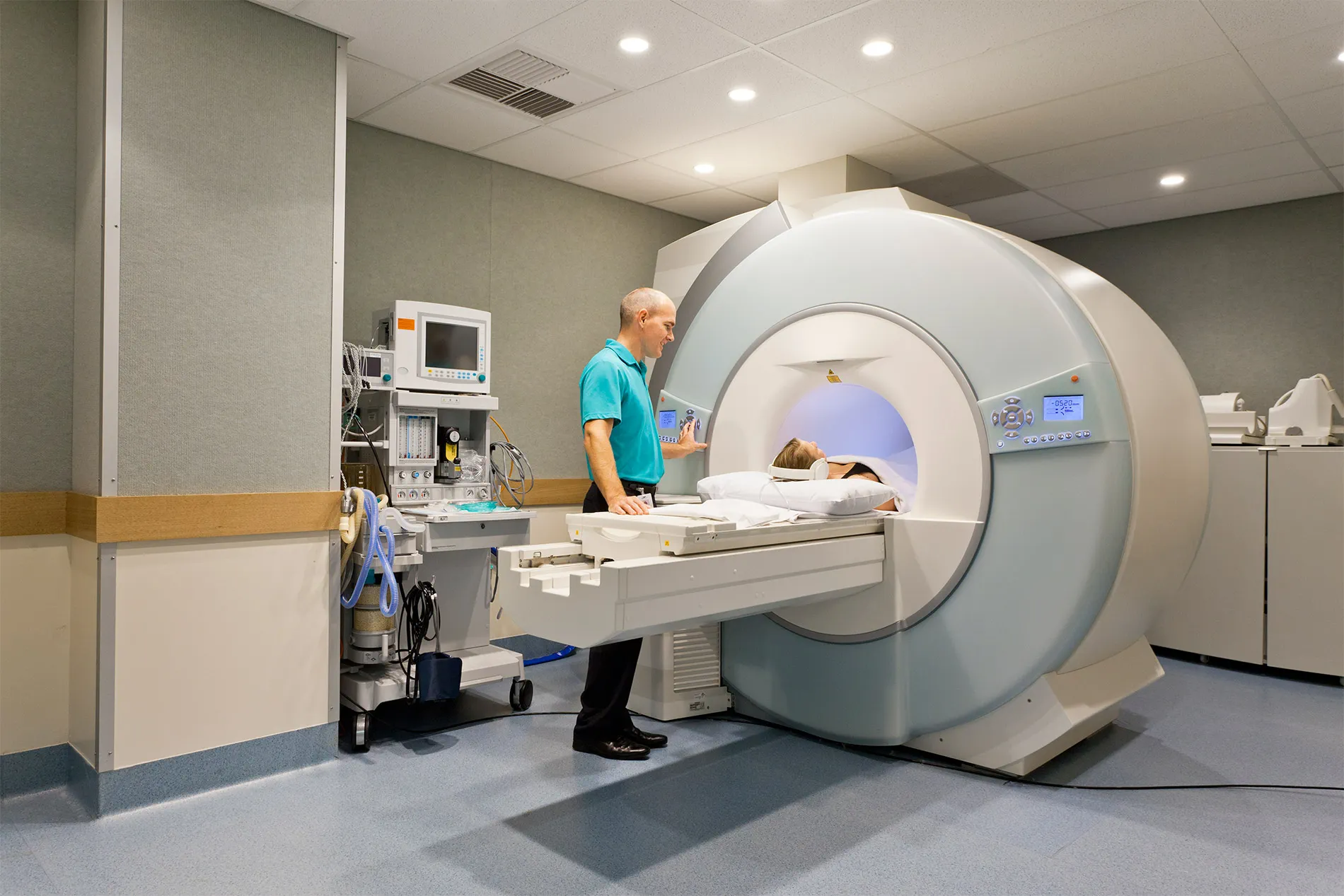
Cancer is the second leading cause of death in Africa, responsible for over 700,000 deaths per year — and that number is rising. The tragedy isn’t just the disease itself. It’s that many African cancer patients die not because their cancer is untreatable, but because they cannot access the treatment that exists.
Only 23 countries in Africa have any radiation therapy capability. Nigeria, with 220 million people, has fewer than 10 functioning radiation machines. Most African countries have zero PET-CT scanners. Oncology drugs that are standard in Europe and Turkey are either unavailable or prohibitively expensive across much of the continent.
If you or a loved one has been diagnosed with cancer, or if you suspect cancer and need proper diagnosis, this guide explains how Turkey can help — and what it costs.
Why African Cancer Patients Need to Consider Turkey
The Access Crisis in Numbers
| Country | Population | Radiation Machines | Oncologists |
|---|---|---|---|
| Nigeria | 220M+ | ~8 | ~100 |
| Ethiopia | 120M+ | ~4 | ~30 |
| Kenya | 55M+ | ~10 | ~50 |
| Tanzania | 65M+ | ~3 | ~20 |
| Ghana | 33M+ | ~3 | ~15 |
| Turkey | 85M | 200+ | 2,000+ |
The contrast is stark. Turkey has more radiation therapy capability than all of Sub-Saharan Africa combined. More importantly, Turkey’s cancer treatment follows the same protocols and uses the same drugs as the US, UK, and Germany.
What Turkey Offers That Most African Countries Cannot
-
Rapid diagnosis: Full cancer workup (PET-CT, biopsy, staging) in 3-5 days. In many African countries, getting a confirmed diagnosis can take months.
-
Advanced radiation therapy: IMRT, IGRT, stereotactic radiosurgery (SRS), and proton therapy. These precision technologies minimize damage to healthy tissue.
-
CyberKnife and Gamma Knife: Non-invasive radiosurgery for brain tumors, lung tumors, and metastatic cancers. Available at multiple Istanbul hospitals.
-
Immunotherapy and targeted therapy: Access to the latest cancer drugs (pembrolizumab, nivolumab, trastuzumab, etc.) that may be unavailable or years away from approval in African markets.
-
Robotic surgery: Da Vinci robotic-assisted surgery for prostate cancer, colorectal cancer, gynecological cancers — more precise, less invasive, faster recovery.
-
Multidisciplinary tumor boards: Your case is reviewed by a team of oncologists, surgeons, radiologists, and pathologists who develop a coordinated treatment plan. This is standard in Turkey but rare in most African settings.
Cancer Types We Treat
Breast Cancer
The most common cancer in African women. Turkey offers:
– Diagnosis and staging: mammography, ultrasound, biopsy, PET-CT
– Surgical options: lumpectomy, mastectomy, sentinel lymph node biopsy
– Breast reconstruction available at the same time
– Radiation therapy and chemotherapy
– Hormonal therapy and targeted therapy (HER2+)
Prostate Cancer
Most common cancer in African men. Turkey offers:
– PSA testing and MRI-guided biopsy
– Robotic prostatectomy (da Vinci) — less pain, faster recovery
– Radiation therapy (IMRT, brachytherapy)
– Hormonal therapy for advanced cases
Colorectal Cancer
Rising rapidly in Africa. Turkey offers:
– Colonoscopy with polypectomy
– Laparoscopic and robotic colorectal surgery
– Neoadjuvant chemotherapy and radiation
– Targeted therapy (cetuximab, bevacizumab)
Lung Cancer
Turkey offers:
– Low-dose CT screening
– PET-CT for staging
– CyberKnife for inoperable tumors
– VATS (video-assisted thoracoscopic surgery) — minimally invasive
– Immunotherapy (pembrolizumab, nivolumab)
Brain Tumors
Turkey offers:
– Advanced neuroimaging (MRI, fMRI, DTI)
– Gamma Knife and CyberKnife radiosurgery
– Craniotomy with intraoperative navigation
– Awake craniotomy for tumors near speech/motor areas
– Temozolomide and immunotherapy protocols
Cervical Cancer
A devastating burden in Africa, often diagnosed late. Turkey offers:
– Early diagnosis with HPV testing and colposcopy
– LEEP and cone biopsy for pre-cancerous changes
– Radical hysterectomy (laparoscopic or robotic)
– Radiation and brachytherapy for advanced cases
– Concurrent chemoradiation
Other Cancers We Treat
- Liver cancer (hepatocellular carcinoma)
- Stomach/gastric cancer
- Kidney cancer
- Bladder cancer
- Head and neck cancers
- Lymphoma (Hodgkin’s and Non-Hodgkin’s)
- Leukemia
- Thyroid cancer
- Bone cancer and sarcomas
- Pediatric cancers
The Diagnosis Journey: What Happens When You Arrive
Many African patients come to Turkey not for treatment, but for a proper diagnosis first. At home, they may have a suspected diagnosis but lack access to PET-CT, advanced biopsy, or specialist consultation. Here’s what the diagnostic process looks like:
Day 1: Arrival and Consultation
- VIP airport pickup and hotel transfer
- Meet your personal patient coordinator
- Initial consultation with an oncologist
- Review of all medical records you bring from home
Day 2: Diagnostic Tests
- Blood tests (complete blood count, tumor markers, organ function)
- Advanced imaging: PET-CT scan, MRI, CT scan (as needed)
- The specific tests depend on your suspected cancer type
Day 3-4: Biopsy (If Needed)
- Image-guided biopsy for tissue sampling
- Samples sent to pathology lab for analysis
- Some results available within 24-48 hours
Day 5: Results and Treatment Plan
- Meet with the oncologist to review all results
- Confirmed diagnosis with staging (Stage I, II, III, or IV)
- Multidisciplinary tumor board discussion
- Personalized treatment plan presented with:
- Recommended treatment (surgery, radiation, chemo, or combination)
- Expected timeline
- Success rates for your specific case
- Complete cost breakdown — no hidden fees
Cost of diagnostic workup: $1,500–$3,000 depending on cancer type and tests required
At this point, you decide. You can proceed with treatment in Turkey, return home to consider your options, or seek a second opinion. There is no pressure.
Treatment Costs
| Treatment | Turkey | India | UK (Private) | USA |
|---|---|---|---|---|
| Cancer diagnosis + staging | $1,500–$3,000 | $1,000–$2,500 | $5,000–$10,000 | $8,000–$15,000 |
| Mastectomy (breast cancer) | $3,000–$6,000 | $2,500–$4,500 | $10,000–$15,000 | $15,000–$30,000 |
| Robotic prostatectomy | $8,000–$12,000 | $5,000–$8,000 | $15,000–$25,000 | $25,000–$40,000 |
| CyberKnife (per session) | $3,000–$5,000 | $2,500–$4,000 | $8,000–$12,000 | $10,000–$20,000 |
| Chemotherapy (per cycle) | $800–$2,500 | $500–$1,500 | $3,000–$8,000 | $5,000–$15,000 |
| Radiation therapy (full course) | $5,000–$15,000 | $3,000–$10,000 | $15,000–$40,000 | $30,000–$80,000 |
| Immunotherapy (per cycle) | $2,000–$5,000 | $1,500–$4,000 | $5,000–$10,000 | $10,000–$20,000 |
| Colorectal surgery | $5,000–$10,000 | $3,000–$7,000 | $12,000–$20,000 | $20,000–$40,000 |
Important: Cancer treatment costs vary widely based on the specific cancer type, stage, and treatment protocol. The prices above are ranges. Your exact cost will be provided after your diagnostic workup and treatment plan.
Patient Stories
“After being told in Lagos that there was a 3-month wait just for a PET scan, I contacted Panaf Medical. Within 5 days of arriving in Istanbul, I had a complete diagnosis, staging, and treatment plan. The hospital was more advanced than anything I’d seen. They started my treatment immediately.”
— Patient from Nigeria (name withheld for privacy)“My father was diagnosed with prostate cancer in Nairobi. The urologist recommended surgery but the wait was 4 months. In Istanbul, the robotic prostatectomy was done within 2 weeks of our first contact. He’s now cancer-free.”
— Family member, Kenya
Note to operator: These are template testimonials based on common scenarios. Replace with real patient stories when available, with consent.
What to Bring from Home
To get the most accurate diagnosis and treatment plan, bring:
- All medical reports from your doctors at home
- Pathology/biopsy slides (physical slides in a case, or digital scans)
- Imaging CDs — CT scans, MRI, X-rays on CD or USB
- Blood test results — as recent as possible
- List of current medications — with dosages
- Insurance documents — if you have international health insurance
Don’t have all of these? That’s okay. Many African patients come with limited records, and the Turkish hospitals will perform fresh diagnostics. Having prior records simply helps avoid unnecessary repeat tests and saves time and cost.
Frequently Asked Questions
Q: How quickly can I start cancer treatment in Turkey?
A: From your first contact to beginning treatment, the typical timeline is 1-2 weeks. Diagnosis takes 3-5 days. If surgery is needed, it can often be scheduled within days of diagnosis. Chemotherapy and radiation can begin within a week of completing diagnosis.
Q: Can I get a second opinion without traveling to Turkey?
A: Yes. Send us your medical records, imaging, and pathology reports via email or WhatsApp. Our oncologists can provide a remote second opinion on your diagnosis and recommend a treatment approach. This is free of charge.
Q: How long will I need to stay in Istanbul for cancer treatment?
A: It depends on your treatment plan:
– Diagnosis only: 5-7 days
– Surgery: 7-14 days (including recovery)
– Chemotherapy: Each cycle requires 1-3 days, with cycles every 2-3 weeks
– Radiation: 5-7 weeks for a full course (some patients stay, others travel back and forth)
Q: Can I do part of my treatment in Turkey and continue at home?
A: Yes. Many patients have their diagnosis and surgery in Turkey, then continue chemotherapy at home under the supervision of their local oncologist. We provide detailed treatment protocols that your home doctor can follow.
Q: Is the cancer medication in Turkey the same as in Europe?
A: Yes. Turkey uses the same FDA/EMA-approved cancer drugs as the US and Europe. Drug names, manufacturers, and protocols are identical. Turkey also has access to clinical trials for new treatments.
Don’t Wait
Cancer doesn’t wait, and neither should you. Every week of delay in diagnosis and treatment can affect outcomes. If you or a loved one is facing a cancer diagnosis — or suspects cancer but can’t get proper testing — contact us today.
Get a Free Oncology Consultation →
📞 WhatsApp: +90 530 869 73 11 (send your medical records directly)
📧 Email: info@panafmedical.com
We respond within 2 hours. Remote second opinions are free.
Panaf Medical partners with JCI-accredited hospitals in Istanbul that have dedicated oncology centers, including Medical Park, Memorial Healthcare, Medicana, and Medipol. Learn more about our partner hospitals.
